Restorative dentistry
An implant is a small titanium post placed into the jawbone where the missing tooth root used to be. Over the following months the bone grows onto the surface of the post and locks it in place, a process called osseointegration. Once that has happened, the post can carry a crown, a bridge, or a denture, and it does so with something very close to the strength of a natural root.
That root is the whole point. When a tooth comes out, the bone that held it stops being used and slowly shrinks. This is why people who lose teeth often see their face change shape over the years, and why a denture that fit well in year one is loose by year five. An implant keeps loading that bone, so the bone keeps maintaining itself.
Dr. Harding will tell you honestly whether you are a good candidate. It depends on how much bone is present, the health of your gums, and factors like smoking and uncontrolled diabetes, all of which affect healing. Where an implant is not the right answer, we will say so and go through the alternatives rather than talking you into it.
Step by step
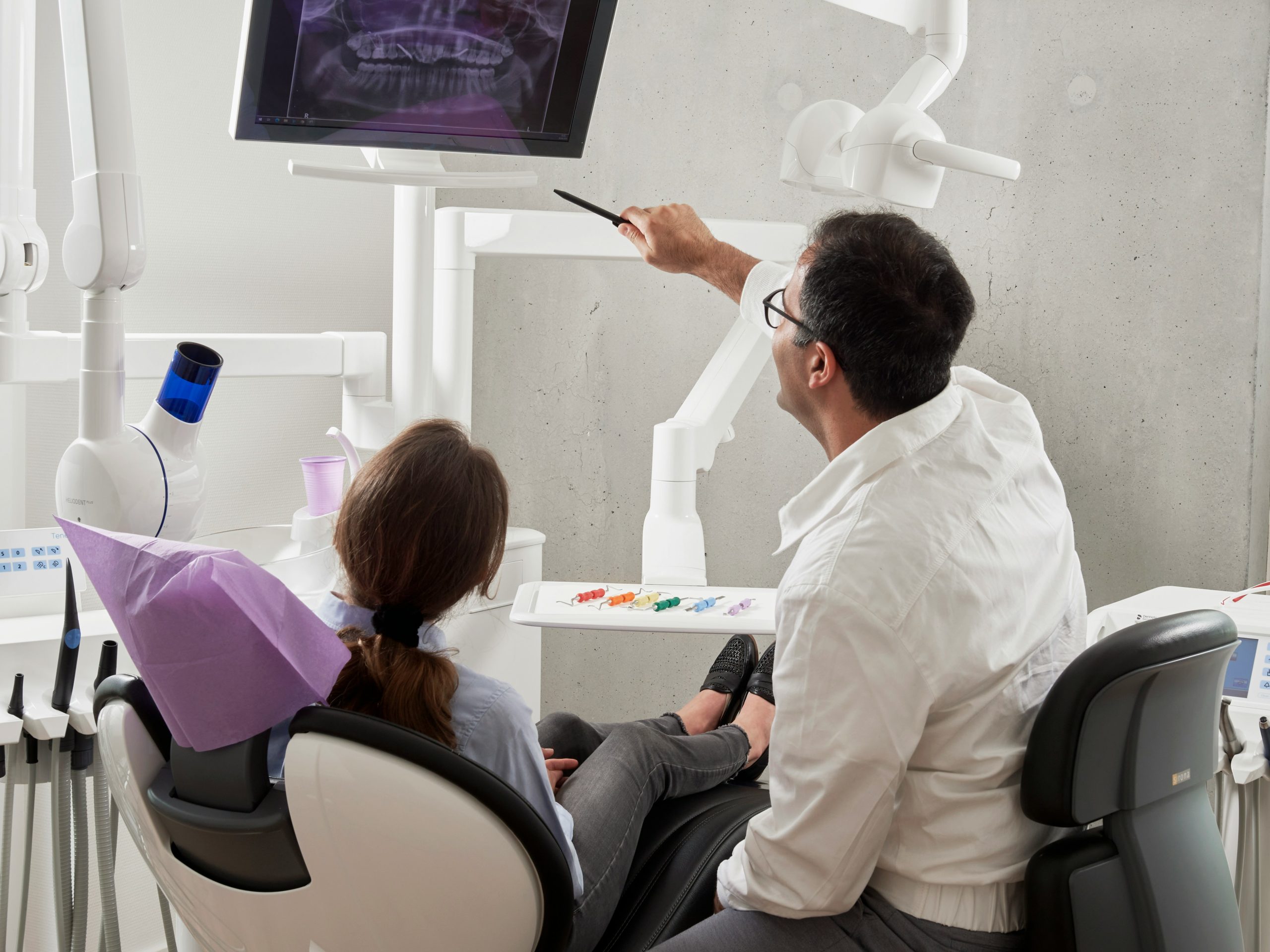
We examine the site, review images to check bone volume and the position of nerves and sinuses, and talk through whether an implant is right for you.
We map exactly where the post needs to sit so the finished tooth lines up with your bite and your other teeth.
Done under local anesthetic. Most patients are surprised by how straightforward the appointment is, and report less discomfort than they expected.
The bone grows onto the post over several months. You are not left without a tooth during this time, and we will discuss a temporary.
Once integrated, the post receives its crown, bridge, or denture attachment, shade matched to your natural teeth.
Worth knowing
A bridge requires cutting down the healthy teeth on either side of the gap. An implant leaves them completely untouched.
An implant transmits chewing force into the jaw the way a real root does, which slows the bone loss that follows tooth loss.
A fixed implant restoration stays put while you eat and sleep. Nothing to remove, nothing to soak, no adhesive.
Paying for treatment
An implant usually costs more up front than a bridge or a denture. It also lasts, protects your bone, and leaves your other teeth alone. We will go through the numbers with you before you commit to anything.
Alongside Visa, Mastercard, American Express, and Discover, we work with three financing providers so you can pay over time instead of all at once. Each has its own application and terms, and the front desk can walk you through which one fits your situation.



Common questions
The placement is done under local anesthetic, so you should not feel pain during it. Soreness for a few days afterward is normal and usually manageable with over the counter pain relief. Nitrous oxide is available if the appointment makes you anxious.
Plan on several months from placement to finished tooth. Most of that is healing time, not appointment time. Bone needs to grow onto the post before it can carry a load, and rushing that is what causes implants to fail.
Age itself is rarely the deciding factor. Bone volume, gum health, and how well you heal matter far more than the number. We see plenty of patients well into later life who do very well with implants.
An implant usually costs more up front. It also does not require altering two healthy teeth, and it protects the bone, so the comparison over fifteen or twenty years often looks different. We will go through the numbers and your CareCredit, Cherry, and Sunbit options before you decide anything.
This page covers the post that goes into the jaw. Implant restorations covers the crown, bridge, or denture that sits on top of it once the post has healed. Most patients need both stages, and we handle the whole treatment.
New patients welcome
Find out whether an implant is right for you. The consultation is free and there is no obligation.